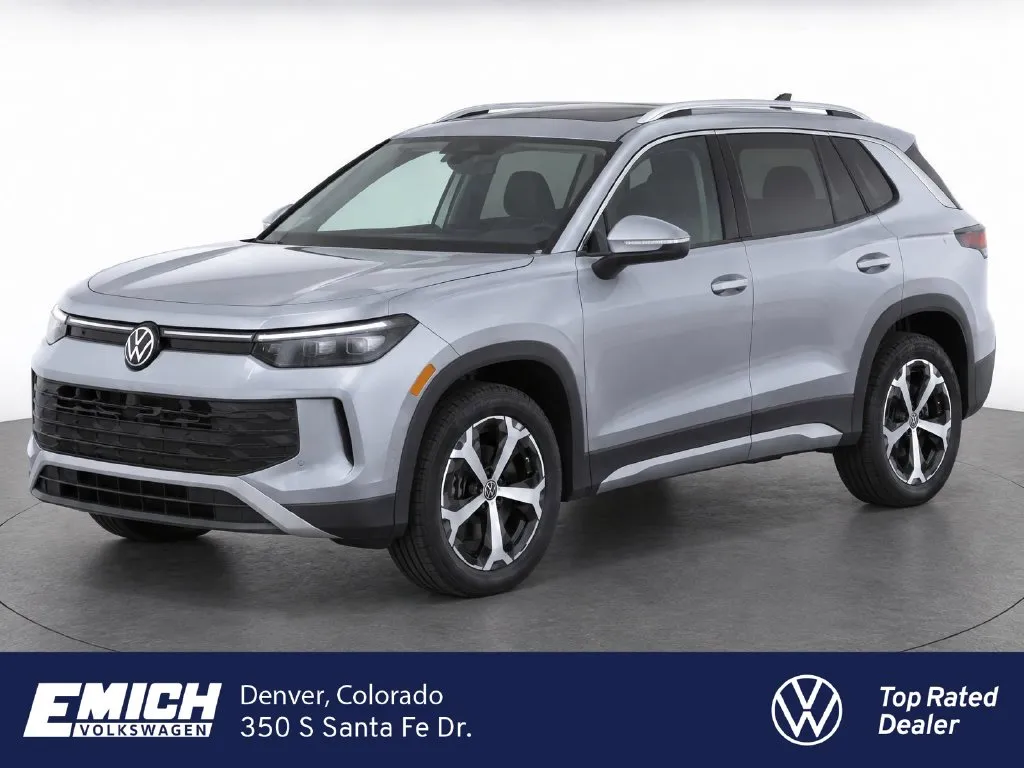
The Best Time to Buy a Used Car in Denver: Fall 2026 Market Update
Quick answer
Historically, used-car deals are most plentiful from late fall through February and scarcest from April through August. iSeeCars found January had 55.6% more deals than average, while June had 22.8% fewer. In fall 2026, wholesale used prices just slipped below last year's level for the first time this year, but retail prices remain near a three-year high and loan rates ticked up after the Fed's Sept. 16 rate hike. If you need a car now, October through December is a solid window. If you can wait, January and February usually bring the most deals, before tax refunds push demand back up.
Updated Sept. 29, 2026, with the latest Cox Automotive, Edmunds, Experian and Federal Reserve data.
Timing a used-car purchase used to be simple: wait for the holidays. In 2026 it's more complicated. Tariffs raised new-car prices, a shortage of off-lease vehicles kept nearly new used cars scarce, and gas prices jumped. Here's what the data says about when to buy, where prices stand this fall and how Denver shoppers can use the calendar in their favor.
Key takeaways
What the calendar says
Two long-running datasets point the same direction. iSeeCars, which tracks how often used cars are listed well below market value, finds the most deals in winter and the fewest in late spring and summer, when tax refunds and road-trip season lift demand. Edmunds names October and November as the best months, and Cox Automotive's Manheim index shows wholesale prices usually soften most in October.
How much more (or less) likely you are to find a used-car deal, by month
Compared with the average month
A "deal" is a vehicle priced at least 10% below market value. Months not shown were close to average. Source: iSeeCars analysis of more than 40 million used-car sales from 2024 through October 2025.
Holiday sales events
Deal frequency vs. the average day
Source: iSeeCars.
Average monthly change in wholesale used prices
Long-term Manheim averages, before seasonal adjustment
October is historically the softest month for wholesale prices, which is what dealers pay. Source: Cox Automotive.
Where used-car prices stand in fall 2026
Wholesale prices, what dealers pay at auction, peaked in March 2026 at 6.2% above the year before, then cooled all summer. By mid-September they were 0.4% below last year. Retail prices move more slowly, and they're still high: the average used listing hit $27,239 in August, and Edmunds reports three-year-old vehicles averaged a record $32,461 in the second quarter.
Wholesale used prices vs. a year earlier
Manheim Used Vehicle Value Index, year-over-year change
The mid-September reading of 206.2 was the first year-over-year decline of 2026. Source: Cox Automotive.
Average used-vehicle listing price
August of each year
Source: Cox Automotive/vAuto.
The squeeze is sharpest at the low end. Vehicles under $15,000 made up just 15.1% of used inventory in August, down from 20.6% a year earlier, and they sold in about 29 days on average, compared with 44 days for all used vehicles. If you're shopping on a budget, the best car at the right price may not wait for a holiday sale. See our used cars under $20,000.
Rates went up again in September
On Sept. 16, 2026, the Federal Reserve raised its benchmark rate by a quarter point to 3.75%–4.00%, its first increase since July 2023, and officials signaled one more hike is possible this year. Auto loan rates follow with a lag. Cox Automotive reported used-loan rates rose about 10 basis points in the two months before Sept. 21.
Average used-car APR by credit tier
Q2 2026
Average across all used loans: 11.19%. Average used payment: $542 a month on $27,852 over 67.9 months. Source: Experian State of the Automotive Finance Market.
Your credit tier matters far more than the month you buy. The gap between super prime and subprime borrowers is nearly 13 percentage points. Checking your credit and getting prequalified before you shop is the single biggest timing move you can make.
Three forces shaping used prices right now
Leases maturing each year
Millions of vehicles, many of which return as nearly new used cars
Source: Cox Automotive, via WardsAuto (July 13, 2026). Edmunds expects off-lease volume to rise 25.7% in 2026.
A Denver timing playbook
If you need a car now, buy the right car
A well-priced car that fits your needs is worth more than a few percent of seasonal savings, especially under $20,000, where inventory turns fast.
October through December is a good window
Wholesale prices typically soften in October, and year-end deal frequency is above average.
January and February bring the most deals
Buy before tax refunds arrive. Cox Automotive noted prices jumped 1.4% in March 2026 on tax-refund demand.
Avoid April through August if you can wait
Deal frequency runs 8% to 23% below average in those months.
Line up financing first
Get prequalified so you know your rate and budget before you fall for a car.
Think about winter
For mountain driving, AWD or 4WD with good tires is the easiest way to meet Colorado's Traction Law on I-70.
One more thing: at Emich, timing doesn't change the price. Every Emich Approved used vehicle has one market-based price that is the same online and in the store, on a Tuesday in June or the Saturday before Christmas, and our consultants are non-commissioned.
Shop used cars from four Emich stores
Browse used cars, trucks, SUVs and EVs in Denver, Lakewood and Boulder in one search.
Frequently asked questions
What month is cheapest to buy a used car?
January has historically had the most used-car deals, 55.6% more than an average month in iSeeCars' data, followed by February and December. Edmunds names October and November as the best months, and wholesale prices usually soften most in October.
Are used car prices going down in 2026?
Wholesale prices were 0.4% below a year earlier in mid-September 2026, the first annual decline this year. Retail listing prices were still up 7% year over year in August at $27,239, so shoppers may not see the wholesale dip right away.
Should I wait until January to buy a used car?
If your current car is reliable and you can wait, January and February have historically offered the most deals. If you need a car now, October through December is also a good window, and the right vehicle at a fair price matters more than the month.
Did the September 2026 Fed rate hike affect car loans?
Yes, modestly. The Fed raised rates a quarter point on Sept. 16, 2026, and used-loan rates had already risen about 10 basis points in the prior two months, according to Cox Automotive. Your credit tier has a much bigger effect on your rate.
Is it better to buy new or used in 2026?
New-car prices rose sharply after tariffs, with average suggested retail up 10.4% from model year 2025 to 2026. Used cars still cost less, but three-year-old vehicles averaged a record $32,461 in Q2 2026, so compare total cost, incentives and financing on both.
Do Emich prices change by season?
No. Every Emich Approved used vehicle has one market-based price that is the same online and in the store, whenever you shop.
Sources
- iSeeCars: best times to buy a car
- Edmunds: best time to buy a used car
- Cox Automotive: Manheim index, mid-September 2026
- Cox Automotive: Manheim index, October 2025 (seasonal averages)
- Cox Automotive: used vehicle inventory, August 2026
- Edmunds: Q2 2026 used vehicle report
- Experian: used car loan rates
- Experian: average car payment
- Federal Reserve: Sept. 16, 2026 statement
- Kelley Blue Book: tariff costs and new-car prices
- WardsAuto: off-lease volume outlook
- U.S. EIA: weekly retail gasoline prices
Market data changes monthly. This article reflects figures published through Sept. 29, 2026.